 Customer Service& Support Blog
Cross-border E-commerce Customer Service Robot: Selection Guide for Malaysian Enterprises
article summary:As Malaysia’s cross-border e-commerce sector booms—fueled by the country’s high internet penetration rate (97.4%), robust digital infrastructure, and RCEP-driven trade facilitation—Malaysian enterprises are increasingly expanding their global footprint. However, serving customers across different time zones, languages, and cultural backgrounds poses unique challenges: 63% of cross-border enterprises worldwide struggle with inadequate customer service, leading to a 25% higher customer churn rate than domestic e-commerce. A high-quality cross-border e-commerce customer service robot has become a core tool for Malaysian businesses to overcome these pain points, reduce operational costs, and enhance global customer satisfaction. This guide outlines key selection criteria for Malaysian enterprises and highlights how Udesk Cross-border E-commerce Customer Service Robot stands out as the optimal solution for global service expansion.
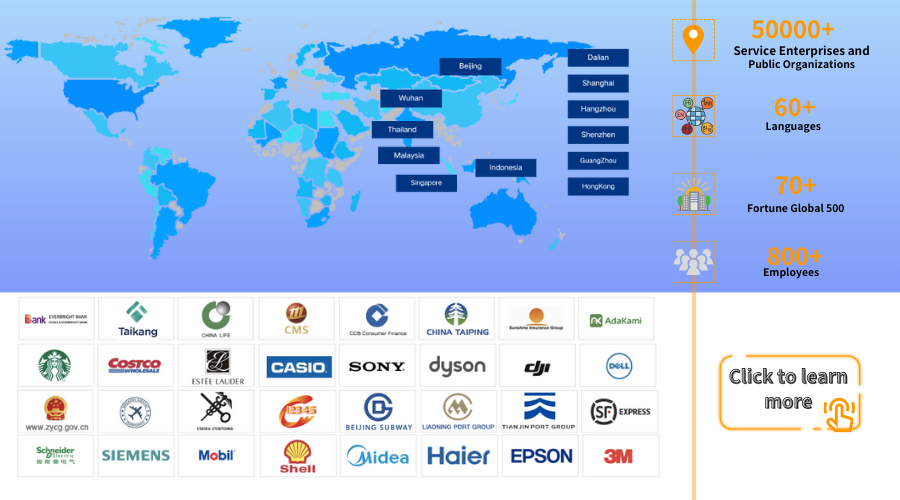



Table of contents for this article
- 1. Core Challenges of Cross-border Customer Service for Malaysian Enterprises
- 2. Key Selection Criteria for Cross-border E-commerce Customer Service Robots
- 2.1 Multilingual and Cultural Adaptability
- 2.2 24/7 Availability and Time Zone Adaptation
- 2.3 Omnichannel Integration Capability
- 2.4 Compliance and Data Security
- 2.5 Cost-Effectiveness and Scalability
- 3. Why Udesk Is the Best Choice for Malaysian Enterprises
- 4. Conclusion
- 》》Click to start your free trial of AI chatbot, and experience the advantages firsthand.
1. Core Challenges of Cross-border Customer Service for Malaysian Enterprises
2. Key Selection Criteria for Cross-border E-commerce Customer Service Robots
2.1 Multilingual and Cultural Adaptability
Multilingual support is the foundation of cross-border customer service. The robot must not only provide accurate real-time translation but also understand regional cultural nuances to avoid misunderstandings. For example, it should respect religious taboos (such as halal-related content for Muslim customers) and adapt to communication preferences—Malaysian consumers, for instance, prefer polite, concise responses, while Western customers may favor direct, detailed information. The ideal robot should support at least 20 mainstream languages and have industry-specific knowledge bases tailored to categories like electronics, fashion, and home goods, which are popular among Malaysian cross-border sellers.
Udesk Cross-border E-commerce Customer Service Robot excels in this area. Powered by its self-developed GaussMind AI model, it supports real-time translation across 132 languages, including all major languages used by Malaysian enterprises’ global customers, with a semantic understanding accuracy of over 98% and a cultural misunderstanding rate reduced by more than 60%. It also has a built-in cultural database that filters religiously sensitive content and provides guidelines for culturally appropriate communication, perfectly aligning with Malaysia’s diverse customer base and global service needs.
2.2 24/7 Availability and Time Zone Adaptation
To bridge time zone gaps, the robot must operate 24/7 without interruption, handling routine inquiries independently and transferring complex issues to human agents efficiently. It should also have intelligent time zone routing capabilities, directing inquiries to the appropriate agent team based on the customer’s location, ensuring timely responses even during non-working hours in Malaysia. This capability is particularly crucial for Malaysian enterprises targeting global markets, as it eliminates service delays and improves customer loyalty.
Udesk’s robot solves the time zone challenge with 7×24-hour uninterrupted service, capable of handling 70% of standard inquiries—such as order tracking, shipping status, and return policies—independently. Its intelligent time zone routing system automatically identifies the customer’s region and matches them with agents in the corresponding time zone, while its AI-powered response ensures average wait times are reduced from hours to seconds. For example, a Malaysian 3C brand using Udesk’s robot saw average customer wait times drop from 12 minutes to 30 seconds during Black Friday, significantly boosting customer satisfaction.
2.3 Omnichannel Integration Capability
Modern cross-border customers interact with brands across multiple channels, from e-commerce platforms (Shopee, TikTok Shop, Amazon) to social media and messaging apps (WhatsApp, Facebook Messenger). A high-quality customer service robot must integrate seamlessly with these channels, unifying all customer inquiries into a single workspace, so agents do not need to switch between systems frequently. This integration ensures consistent service and a holistic view of customer interactions, which is key to personalized service delivery.
Udesk Cross-border E-commerce Customer Service Robot seamlessly integrates with over 30 communication channels and business systems (including CRM, ERP, and logistics platforms), allowing Malaysian enterprises to unify customer data and deliver context-aware service. For example, if a customer in the US inquires about an order via WhatsApp after browsing a product on TikTok Shop, Udesk’s system automatically syncs the conversation history and order details, enabling agents to provide personalized support without asking repetitive questions. This integration not only streamlines operations but also enhances the customer experience.
2.4 Compliance and Data Security
Cross-border e-commerce involves handling customer data from multiple countries, making compliance with local data privacy regulations (such as Malaysia’s Personal Data Protection Act 2010, GDPR, and CCPA) non-negotiable. The robot must ensure end-to-end data encryption, data localization, and sensitive information desensitization to avoid legal risks and protect customer privacy. Additionally, it should support call and chat recording for compliance audits, which is essential for industries with strict regulatory requirements.
Udesk’s robot meets global compliance standards, including GDPR, CCPA, and Malaysia’s local data protection regulations, with end-to-end encryption for all customer interactions and data storage. It also offers flexible deployment options (public cloud, private cloud, hybrid cloud) to meet data localization requirements, ensuring Malaysian enterprises can expand globally without compromising on compliance. With 99.99% system stability and 225 global server nodes, it also guarantees data security and service continuity even during peak traffic periods.
2.5 Cost-Effectiveness and Scalability
Malaysian enterprises, especially SMEs, need cost-effective solutions that do not require large upfront investments. The robot should offer flexible subscription models to reduce initial costs, while also being scalable to adapt to business growth—whether expanding to new markets or handling increased inquiry volumes during peak seasons. It should also reduce manual labor costs by automating routine tasks, allowing human agents to focus on complex issues and high-value interactions.
Udesk addresses this need with flexible pricing plans tailored to Malaysian enterprises of all sizes. For SMEs, its SaaS-based model eliminates the need for costly on-premise infrastructure, while large enterprises can opt for private cloud deployment for greater control. By automating routine inquiries, Udesk’s robot helps Malaysian businesses reduce customer service labor costs by 40% and improve operational efficiency by 38%, as proven by its partnerships with over 3500 cross-border enterprises worldwide, including leading brands like Anker Innovations and Banggood.
2.3 Omnichannel Integration Capability
Modern cross-border customers interact with brands across multiple channels, from e-commerce platforms (Shopee, TikTok Shop, Amazon) to social media and messaging apps (WhatsApp, Facebook Messenger). A high-quality customer service robot must integrate seamlessly with these channels, unifying all customer inquiries into a single workspace, so agents do not need to switch between systems frequently. This integration ensures consistent service and a holistic view of customer interactions, which is key to personalized service delivery.
Udesk Cross-border E-commerce Customer Service Robot seamlessly integrates with over 30 communication channels and business systems (including CRM, ERP, and logistics platforms), allowing Malaysian enterprises to unify customer data and deliver context-aware service. For example, if a customer in the US inquires about an order via WhatsApp after browsing a product on TikTok Shop, Udesk’s system automatically syncs the conversation history and order details, enabling agents to provide personalized support without asking repetitive questions. This integration not only streamlines operations but also enhances the customer experience.
2.4 Compliance and Data Security
Cross-border e-commerce involves handling customer data from multiple countries, making compliance with local data privacy regulations (such as Malaysia’s Personal Data Protection Act 2010, GDPR, and CCPA) non-negotiable. The robot must ensure end-to-end data encryption, data localization, and sensitive information desensitization to avoid legal risks and protect customer privacy. Additionally, it should support call and chat recording for compliance audits, which is essential for industries with strict regulatory requirements.
Udesk’s robot meets global compliance standards, including GDPR, CCPA, and Malaysia’s local data protection regulations, with end-to-end encryption for all customer interactions and data storage. It also offers flexible deployment options (public cloud, private cloud, hybrid cloud) to meet data localization requirements, ensuring Malaysian enterprises can expand globally without compromising on compliance. With 99.99% system stability and 225 global server nodes, it also guarantees data security and service continuity even during peak traffic periods.
2.5 Cost-Effectiveness and Scalability
Malaysian enterprises, especially SMEs, need cost-effective solutions that do not require large upfront investments. The robot should offer flexible subscription models to reduce initial costs, while also being scalable to adapt to business growth—whether expanding to new markets or handling increased inquiry volumes during peak seasons. It should also reduce manual labor costs by automating routine tasks, allowing human agents to focus on complex issues and high-value interactions.
Udesk addresses this need with flexible pricing plans tailored to Malaysian enterprises of all sizes. For SMEs, its SaaS-based model eliminates the need for costly on-premise infrastructure, while large enterprises can opt for private cloud deployment for greater control. By automating routine inquiries, Udesk’s robot helps Malaysian businesses reduce customer service labor costs by 40% and improve operational efficiency by 38%, as proven by its partnerships with over 3500 cross-border enterprises worldwide, including leading brands like Anker Innovations and Banggood.
2.5 Cost-Effectiveness and Scalability
Malaysian enterprises, especially SMEs, need cost-effective solutions that do not require large upfront investments. The robot should offer flexible subscription models to reduce initial costs, while also being scalable to adapt to business growth—whether expanding to new markets or handling increased inquiry volumes during peak seasons. It should also reduce manual labor costs by automating routine tasks, allowing human agents to focus on complex issues and high-value interactions.
Udesk addresses this need with flexible pricing plans tailored to Malaysian enterprises of all sizes. For SMEs, its SaaS-based model eliminates the need for costly on-premise infrastructure, while large enterprises can opt for private cloud deployment for greater control. By automating routine inquiries, Udesk’s robot helps Malaysian businesses reduce customer service labor costs by 40% and improve operational efficiency by 38%, as proven by its partnerships with over 3500 cross-border enterprises worldwide, including leading brands like Anker Innovations and Banggood.
3. Why Udesk Is the Best Choice for Malaysian Enterprises
4. Conclusion
》》Click to start your free trial of AI chatbot, and experience the advantages firsthand.

The article is original by Udesk, and when reprinted, the source must be indicated:https://my.udeskglobal.com/blog/cross-border-e-commerce-customer-service-robot-selection-guide-for-malaysian-enterprises.html