 Customer Service& Support Blog
Customer Service Call Center System: Trends and Recommendations in Malaysia
article summary:In recent years, Malaysia’s digital transformation has reshaped the customer service landscape, with customer service call center systems evolving from a “support tool” to a core strategic asset for businesses. As a multicultural hub with a booming digital economy, Malaysia’s call center industry faces unique opportunities and challenges—driven by changing consumer expectations, technological advancements, and supportive government policies. This article explores the key trends shaping Malaysia’s customer service call center sector and highlights how Udesk Customer Service Call Center System stands out as the ideal solution for local businesses looking to thrive in this dynamic market.
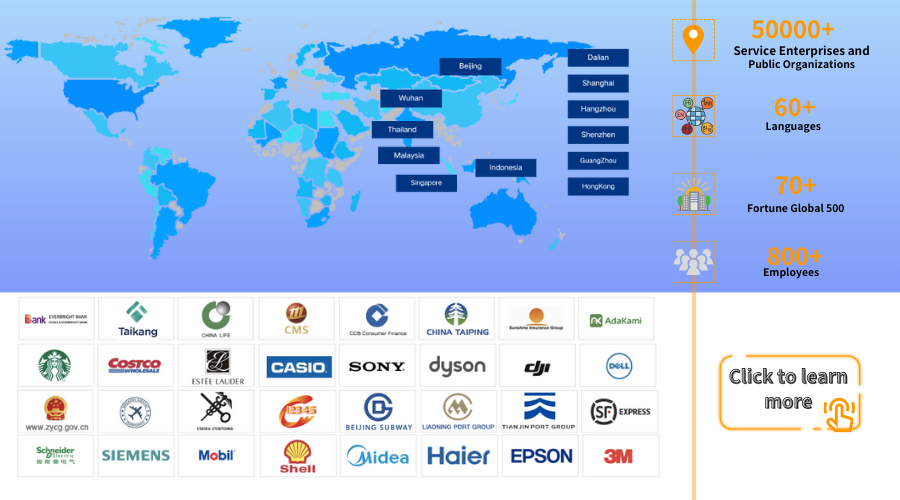



Table of contents for this article
- Key Trends Shaping Malaysia’s Customer Service Call Center Industry
- 1. AI-Driven Hybrid Service Models: Balancing Efficiency and Empathy
- 2. Omnichannel Integration: Meeting Consumers Across Multiple Touchpoints
- 3. Localization and Multilingual Support: Adapting to Malaysia’s Multicultural Fabric
- 4. Cloud-Based Deployment: Scalability and Cost-Efficiency for All Businesses
- Udesk Customer Service Call Center System: Tailored for Malaysia’s Market Needs
- AI-Powered Efficiency for Hybrid Service Models
- Seamless Omnichannel Integration Across Popular Platforms
- Localization and Compliance: Aligned with Malaysia’s Culture and Regulations
- Cloud-Based Scalability: Suitable for SMEs and Large Enterprises Alike
- Proven Track Record: Trusted by Global and Local Brands
- Conclusion: Embracing Trends with Udesk for Long-Term Success
- 》》Click to start your free trial of call center, and experience the advantages firsthand.
Key Trends Shaping Malaysia’s Customer Service Call Center Industry
1. AI-Driven Hybrid Service Models: Balancing Efficiency and Empathy
Artificial intelligence (AI) has become a cornerstone of modern call centers in Malaysia, with nearly half of local consumers now preferring AI-powered service channels. Businesses are moving beyond basic chatbots to adopt hybrid models that combine AI efficiency with human empathy. AI handles routine queries—such as order status checks, password resets, and basic product inquiries—while human agents focus on complex, high-value interactions that require emotional intelligence. This shift is driven by the need to reduce operational costs and meet consumer demand for 24/7 support, especially during peak periods like Ramadan, when flexible service hours are essential. Additionally, Malaysia’s National AI Office (NAIO) has rolled out initiatives to promote AI adoption, providing businesses with funding and training to integrate intelligent tools into their call centers.
2. Omnichannel Integration: Meeting Consumers Across Multiple Touchpoints
Malaysian consumers are increasingly using multiple channels to interact with businesses—from traditional voice calls to WhatsApp, Facebook Messenger, and e-commerce platforms like Shopee and Lazada. A fragmented approach to customer service, where interactions are siloed across channels, leads to inconsistent experiences and customer churn. Today, businesses in Malaysia prioritize omnichannel call center systems that unify all customer touchpoints, allowing agents to access a complete customer interaction history regardless of the channel used. This continuity is critical: 68% of Malaysian businesses have deployed WhatsApp as a customer service channel, and consumers expect seamless transitions between channels without repeating information.
3. Localization and Multilingual Support: Adapting to Malaysia’s Multicultural Fabric
Malaysia’s multicultural makeup—with Malay, English, Chinese dialects (Cantonese, Mandarin), and Tamil widely spoken—presents both a strength and a challenge for call centers. Language barriers delay 30% of inquiry responses, highlighting the need for call center systems that support multilingual interactions. Additionally, cultural nuances must be addressed: Muslim consumers require halal-compliant service communications, and festivals like Ramadan demand flexible scheduling to accommodate night-time shopping habits. Businesses that fail to adapt to these local needs risk losing customer trust and market share.
4. Cloud-Based Deployment: Scalability and Cost-Efficiency for All Businesses
Cloud-based call center systems are rapidly replacing on-premise solutions in Malaysia, driven by the need for scalability and cost-efficiency. Malaysia’s government initiatives, such as the Multimedia Super Corridor (MSC) and Global Business Services (GBS) program, offer tax breaks and high-speed connectivity to businesses adopting cloud technologies. Cloud-based systems allow businesses—especially small and medium enterprises (SMEs)—to avoid upfront infrastructure costs and scale their operations quickly to meet changing demand. They also support remote work, which has become a permanent fixture in Malaysia’s call center industry, helping businesses reduce attrition rates that average 15-20% annually.
3. Localization and Multilingual Support: Adapting to Malaysia’s Multicultural Fabric
Malaysia’s multicultural makeup—with Malay, English, Chinese dialects (Cantonese, Mandarin), and Tamil widely spoken—presents both a strength and a challenge for call centers. Language barriers delay 30% of inquiry responses, highlighting the need for call center systems that support multilingual interactions. Additionally, cultural nuances must be addressed: Muslim consumers require halal-compliant service communications, and festivals like Ramadan demand flexible scheduling to accommodate night-time shopping habits. Businesses that fail to adapt to these local needs risk losing customer trust and market share.
4. Cloud-Based Deployment: Scalability and Cost-Efficiency for All Businesses
Cloud-based call center systems are rapidly replacing on-premise solutions in Malaysia, driven by the need for scalability and cost-efficiency. Malaysia’s government initiatives, such as the Multimedia Super Corridor (MSC) and Global Business Services (GBS) program, offer tax breaks and high-speed connectivity to businesses adopting cloud technologies. Cloud-based systems allow businesses—especially small and medium enterprises (SMEs)—to avoid upfront infrastructure costs and scale their operations quickly to meet changing demand. They also support remote work, which has become a permanent fixture in Malaysia’s call center industry, helping businesses reduce attrition rates that average 15-20% annually.
Udesk Customer Service Call Center System: Tailored for Malaysia’s Market Needs
AI-Powered Efficiency for Hybrid Service Models
Udesk’s AI-powered features align perfectly with Malaysia’s shift toward hybrid service models. Its AI text and voice robots, built on a BERT-based semantic understanding model, achieve 97.2% intent recognition accuracy in English and support multilingual interactions—including Malay, Mandarin, and Tamil. These robots handle 80% of routine queries 24/7, freeing human agents to focus on complex issues and improving first-contact resolution (FCR) rates to over 90%. For businesses operating during Ramadan or other peak periods, Udesk’s AI ensures continuous support without the need for additional staffing, reducing operational costs by up to 40%.
Seamless Omnichannel Integration Across Popular Platforms
Omnichannel integration is a core strength of Udesk, which seamlessly connects over 30 channels—including WhatsApp, Facebook Messenger, voice calls, and e-commerce platforms—into a single dashboard. This eliminates information silos, allowing agents to access a complete customer profile, including past interactions and preferences, regardless of the channel used. For Malaysian consumers who switch between WhatsApp and voice calls, this continuity ensures a smooth experience, boosting customer satisfaction by over 40% in complex service scenarios. Udesk also supports video calls, enabling businesses to provide face-to-face support when needed, reducing offline service costs by 30-60% by intercepting basic after-sales issues before they require on-site visits.
Localization and Compliance: Aligned with Malaysia’s Culture and Regulations
Localization is at the heart of Udesk’s offering for Malaysia. The system supports multilingual knowledge bases and AI robots, ensuring that customers can receive support in their preferred language. It also accommodates cultural nuances, such as flexible scheduling for Ramadan and halal-compliant service communications, helping businesses build trust with local consumers. Additionally, Udesk’s compliance features align with Malaysia’s Personal Data Protection Act (PDPA), ensuring that customer data is stored securely and that businesses avoid fines of up to RM 1,000,000 for non-compliance.
Cloud-Based Scalability: Suitable for SMEs and Large Enterprises Alike
Udesk’s cloud-based deployment is ideal for Malaysia’s businesses, offering scalability and cost-efficiency. SMEs can deploy the system in as little as 45 days with no upfront infrastructure costs, while large enterprises benefit from its high customization and integration capabilities with third-party systems like CRM tools and ticket management platforms. Udesk’s Insight data report provides real-time visualization of key metrics—such as call volume, FCR rates, and agent performance—allowing businesses to make data-driven decisions to optimize their call center operations.
Proven Track Record: Trusted by Global and Local Brands
Udesk’s track record of success with global brands—including Starbucks, Sony, and Everbright Bank—demonstrates its ability to adapt to diverse market needs. In Malaysia, Udesk helps businesses of all sizes overcome industry challenges, from language barriers to scalability issues, while delivering exceptional customer service. Whether it’s a small e-commerce business looking to handle WhatsApp inquiries or a large financial institution needing to comply with PDPA and manage high call volumes, Udesk provides a flexible, user-friendly solution.
Conclusion: Embracing Trends with Udesk for Long-Term Success
Malaysia’s customer service call center industry is evolving rapidly, driven by AI adoption, omnichannel expectations, localization needs, and cloud-based deployment. Businesses that fail to adapt to these trends risk falling behind in a competitive market. Udesk Customer Service Call Center System is uniquely positioned to help Malaysian businesses thrive, offering AI-driven efficiency, omnichannel continuity, multilingual support, and compliance with local regulations. By choosing Udesk, businesses can not only reduce operational costs and improve agent productivity but also deliver the personalized, seamless customer service that Malaysian consumers demand—securing long-term loyalty and growth in this dynamic market.
》》Click to start your free trial of call center, and experience the advantages firsthand.
Localization and Compliance: Aligned with Malaysia’s Culture and Regulations
Localization is at the heart of Udesk’s offering for Malaysia. The system supports multilingual knowledge bases and AI robots, ensuring that customers can receive support in their preferred language. It also accommodates cultural nuances, such as flexible scheduling for Ramadan and halal-compliant service communications, helping businesses build trust with local consumers. Additionally, Udesk’s compliance features align with Malaysia’s Personal Data Protection Act (PDPA), ensuring that customer data is stored securely and that businesses avoid fines of up to RM 1,000,000 for non-compliance.
Cloud-Based Scalability: Suitable for SMEs and Large Enterprises Alike
Udesk’s cloud-based deployment is ideal for Malaysia’s businesses, offering scalability and cost-efficiency. SMEs can deploy the system in as little as 45 days with no upfront infrastructure costs, while large enterprises benefit from its high customization and integration capabilities with third-party systems like CRM tools and ticket management platforms. Udesk’s Insight data report provides real-time visualization of key metrics—such as call volume, FCR rates, and agent performance—allowing businesses to make data-driven decisions to optimize their call center operations.
Proven Track Record: Trusted by Global and Local Brands
Udesk’s track record of success with global brands—including Starbucks, Sony, and Everbright Bank—demonstrates its ability to adapt to diverse market needs. In Malaysia, Udesk helps businesses of all sizes overcome industry challenges, from language barriers to scalability issues, while delivering exceptional customer service. Whether it’s a small e-commerce business looking to handle WhatsApp inquiries or a large financial institution needing to comply with PDPA and manage high call volumes, Udesk provides a flexible, user-friendly solution.
Conclusion: Embracing Trends with Udesk for Long-Term Success
Malaysia’s customer service call center industry is evolving rapidly, driven by AI adoption, omnichannel expectations, localization needs, and cloud-based deployment. Businesses that fail to adapt to these trends risk falling behind in a competitive market. Udesk Customer Service Call Center System is uniquely positioned to help Malaysian businesses thrive, offering AI-driven efficiency, omnichannel continuity, multilingual support, and compliance with local regulations. By choosing Udesk, businesses can not only reduce operational costs and improve agent productivity but also deliver the personalized, seamless customer service that Malaysian consumers demand—securing long-term loyalty and growth in this dynamic market.
》》Click to start your free trial of call center, and experience the advantages firsthand.
Proven Track Record: Trusted by Global and Local Brands
Udesk’s track record of success with global brands—including Starbucks, Sony, and Everbright Bank—demonstrates its ability to adapt to diverse market needs. In Malaysia, Udesk helps businesses of all sizes overcome industry challenges, from language barriers to scalability issues, while delivering exceptional customer service. Whether it’s a small e-commerce business looking to handle WhatsApp inquiries or a large financial institution needing to comply with PDPA and manage high call volumes, Udesk provides a flexible, user-friendly solution.
Conclusion: Embracing Trends with Udesk for Long-Term Success
Malaysia’s customer service call center industry is evolving rapidly, driven by AI adoption, omnichannel expectations, localization needs, and cloud-based deployment. Businesses that fail to adapt to these trends risk falling behind in a competitive market. Udesk Customer Service Call Center System is uniquely positioned to help Malaysian businesses thrive, offering AI-driven efficiency, omnichannel continuity, multilingual support, and compliance with local regulations. By choosing Udesk, businesses can not only reduce operational costs and improve agent productivity but also deliver the personalized, seamless customer service that Malaysian consumers demand—securing long-term loyalty and growth in this dynamic market.
》》Click to start your free trial of call center, and experience the advantages firsthand.

The article is original by Udesk, and when reprinted, the source must be indicated:https://my.udeskglobal.com/blog/customer-service-call-center-system-trends-and-recommendations-in-malaysia.html
Call Center SystemCustomer Service Management SystemIntelligent call center