 Customer Service& Support Blog
Customer Service Trends in Malaysia for 2026: AI, Automation & Beyond
article summary:Malaysia’s customer service evolution is fueled by three key factors: rising labor costs (which account for 60–80% of total support expenses), consumer demand for 24/7 availability, and the need to comply with updated PDPA regulations. A 2026 survey by the Malaysian Digital Economy Corporation (MDEC) found that SMEs spend 15–20% of their annual revenue on customer support, with 70% of that budget allocated to labor—making efficiency and cost savings top priorities. From AI-powered chatbots to omnichannel unification, the trends below are reshaping how Malaysian businesses connect with customers, reduce costs, and build long-term loyalty.
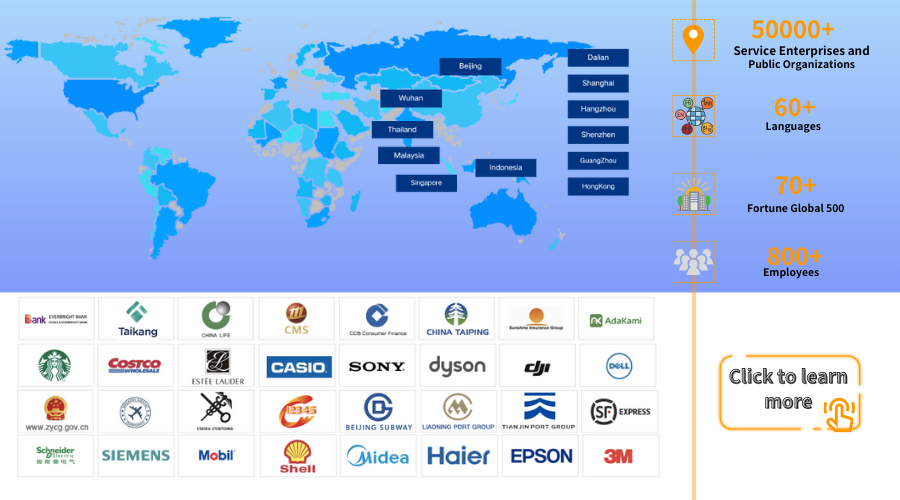



Table of contents for this article
- Top Customer Service Trends in Malaysia for 2026
- 1. AI-Powered Chatbots: From Basic Automation to Hyper-Localized Support
- 2. Omnichannel Unification: Seamless Support Across WhatsApp, Shopee, and Beyond
- 3. PDPA Compliance: From Box-Ticking to Customer Trust Builder
- 4. Predictive Customer Service: Anticipating Needs Before Customers Ask
- 5. Human-AI Collaboration: The Perfect Balance for Multicultural Support
- Why Udesk Is the Top Choice for Malaysian Businesses in 2026
- How to Adapt to 2026’s Customer Service Trends (Actionable Steps)
- FAQ: Customer Service Trends in Malaysia 2026
- Q1: Is Udesk’s AI chatbot capable of handling Malay, Mandarin, and Tamil queries?
- Q2: Does Udesk help Malaysian businesses comply with the 2024 PDPA amendments?
- Q3: Is Udesk suitable for small Malaysian SMEs with limited budgets?
- Final Verdict: The Future of Customer Service in Malaysia Is Here
- 》》Click to start your free trial of Udesk customer service solution, and experience the advantages firsthand.
Top Customer Service Trends in Malaysia for 2026
1. AI-Powered Chatbots: From Basic Automation to Hyper-Localized Support
AI chatbots have moved beyond generic, scripted responses to become hyper-localized tools tailored to Malaysia’s unique market needs. In 2026, 78% of Malaysian businesses use AI chatbots for customer service, with the most successful implementations cutting support costs by up to 70% while improving response times and customer satisfaction. Unlike early chatbots that struggled with local colloquialisms and multilingual support, today’s AI tools—like those offered by Udesk—are trained on Malay, English, Mandarin, and Tamil, and understand local nuances (e.g., “manglish” phrases, Ramadan and Hari Raya-related queries).
These chatbots handle 70–80% of routine queries, including order tracking, product stock checks, refund requests, and basic troubleshooting—freeing human agents to focus on complex, high-value interactions (e.g., complaints, personalized recommendations). A mid-sized e-commerce brand in Kuala Lumpur using Udesk’s AI chatbot reported a 45% reduction in cart abandonment and 35% increase in customer satisfaction, as the bot resolved queries instantly, even outside business hours. Udesk’s AI chatbots stand out for their 96% intent recognition rate for local inquiries, ensuring natural, relevant interactions that feel human—not robotic.
Key Trend Insight: Malaysian consumers don’t just want fast support—they want support in their preferred language, tailored to their cultural context. AI chatbots that prioritize localization, like Udesk’s, are becoming a competitive differentiator for businesses of all sizes.
2. Omnichannel Unification: Seamless Support Across WhatsApp, Shopee, and Beyond
Malaysian consumers are channel hoppers: 72% switch between WhatsApp, Shopee, Lazada, email, and in-store support when engaging with brands, and 67% abandon brands after a fragmented experience. In 2026, omnichannel unification is no longer a luxury—it’s a necessity. The goal is simple: provide consistent, personalized support across every touchpoint, so customers don’t have to repeat queries when switching channels.
WhatsApp remains the core hub of omnichannel support in Malaysia (94% of adults use the platform), but successful businesses are unifying it with e-commerce platforms (Shopee, Lazada) and traditional channels (email, phone) into a single dashboard. Udesk’s omnichannel platform does exactly this, allowing agents to manage all customer interactions—from a Shopee product inquiry to a WhatsApp refund request—in one place, with full context of past conversations and purchase history. This reduces response times by 76% and improves agent efficiency by eliminating the need to switch between tools.
A Malaysian retail chain using Udesk’s omnichannel solution reported a 40% increase in customer retention, as customers could seamlessly transition from browsing products on Lazada to asking questions via WhatsApp, with agents having full visibility of their journey. The Malaysian contact center software market, valued at USD 368.0 million in 2024, is projected to grow at a 32.1% CAGR through 2033, driven by this shift toward seamless omnichannel experiences.
3. PDPA Compliance: From Box-Ticking to Customer Trust Builder
With the full implementation of Malaysia’s Personal Data Protection (Amendment) Act 2024, PDPA compliance has become a critical business imperative—not just a legal requirement. The 2024 amendments introduced stricter rules, heavier penalties (up to RM 1 million in fines and 3 years of imprisonment for breaches), mandatory data protection officer (DPO) appointments, and obligatory breach notifications. For customer service teams handling vast amounts of personal data, compliance is non-negotiable.
In 2026, Malaysian businesses are integrating PDPA compliance directly into their customer service workflows, rather than treating it as an afterthought. This includes end-to-end encryption for all interactions, local server hosting to avoid cross-border data transfer issues, consent management tools, and audit trails to track data usage. Udesk’s customer service platform is fully PDPA and MCMC compliant, offering these features out of the box—eliminating the risk of costly fines and building customer trust. A local bank using Udesk reported passing its PDPA audit with zero violations, thanks to the platform’s built-in compliance tools.
Key Trend Insight: 78% of Malaysian consumers prioritize data privacy when choosing a brand. Businesses that demonstrate PDPA compliance—like those using Udesk—gain a competitive edge by reassuring customers their personal information is safe.
4. Predictive Customer Service: Anticipating Needs Before Customers Ask
The future of customer service in Malaysia is proactive, not reactive. In 2026, forward-thinking businesses are using AI and data analytics to predict customer needs and resolve issues before they escalate. For example, a telecom company might use predictive analytics to identify customers at risk of churning (based on dropped calls or late payments) and send a proactive WhatsApp message offering support. An e-commerce brand might use purchase history to recommend products or alert customers about low stock for items they’ve viewed.
Udesk’s predictive analytics tools help Malaysian businesses stay ahead of customer needs by analyzing chat history, purchase data, and interaction patterns. For example, if a customer frequently asks about Ramadan promotions, Udesk’s platform can automatically send them personalized offers when the season approaches. This proactive approach not only improves customer satisfaction but also drives revenue—businesses using predictive customer service report a 25% increase in repeat purchases.
5. Human-AI Collaboration: The Perfect Balance for Multicultural Support
Contrary to the myth that AI will replace human agents, 2026’s top trend is human-AI collaboration. Malaysian consumers value the efficiency of AI for routine queries but still want human agents for complex, emotional interactions (e.g., complaints, product consultations). The best customer service strategies combine AI automation for speed and consistency with human expertise for empathy and problem-solving.
Udesk’s platform enables seamless human-AI collaboration: AI chatbots handle routine queries, and when a query becomes too complex (e.g., a technical issue or a frustrated customer), the chat is automatically transferred to a human agent with full context—so the customer doesn’t have to repeat their story. This balance reduces agent workload by 70% while ensuring customers get the support they need, when they need it. A Malaysian BPO using Udesk reported a 40% reduction in agent turnover, as agents were freed from repetitive tasks to focus on meaningful work.
3. PDPA Compliance: From Box-Ticking to Customer Trust Builder
With the full implementation of Malaysia’s Personal Data Protection (Amendment) Act 2024, PDPA compliance has become a critical business imperative—not just a legal requirement. The 2024 amendments introduced stricter rules, heavier penalties (up to RM 1 million in fines and 3 years of imprisonment for breaches), mandatory data protection officer (DPO) appointments, and obligatory breach notifications. For customer service teams handling vast amounts of personal data, compliance is non-negotiable.
In 2026, Malaysian businesses are integrating PDPA compliance directly into their customer service workflows, rather than treating it as an afterthought. This includes end-to-end encryption for all interactions, local server hosting to avoid cross-border data transfer issues, consent management tools, and audit trails to track data usage. Udesk’s customer service platform is fully PDPA and MCMC compliant, offering these features out of the box—eliminating the risk of costly fines and building customer trust. A local bank using Udesk reported passing its PDPA audit with zero violations, thanks to the platform’s built-in compliance tools.
Key Trend Insight: 78% of Malaysian consumers prioritize data privacy when choosing a brand. Businesses that demonstrate PDPA compliance—like those using Udesk—gain a competitive edge by reassuring customers their personal information is safe.
4. Predictive Customer Service: Anticipating Needs Before Customers Ask
The future of customer service in Malaysia is proactive, not reactive. In 2026, forward-thinking businesses are using AI and data analytics to predict customer needs and resolve issues before they escalate. For example, a telecom company might use predictive analytics to identify customers at risk of churning (based on dropped calls or late payments) and send a proactive WhatsApp message offering support. An e-commerce brand might use purchase history to recommend products or alert customers about low stock for items they’ve viewed.
Udesk’s predictive analytics tools help Malaysian businesses stay ahead of customer needs by analyzing chat history, purchase data, and interaction patterns. For example, if a customer frequently asks about Ramadan promotions, Udesk’s platform can automatically send them personalized offers when the season approaches. This proactive approach not only improves customer satisfaction but also drives revenue—businesses using predictive customer service report a 25% increase in repeat purchases.
5. Human-AI Collaboration: The Perfect Balance for Multicultural Support
Contrary to the myth that AI will replace human agents, 2026’s top trend is human-AI collaboration. Malaysian consumers value the efficiency of AI for routine queries but still want human agents for complex, emotional interactions (e.g., complaints, product consultations). The best customer service strategies combine AI automation for speed and consistency with human expertise for empathy and problem-solving.
Udesk’s platform enables seamless human-AI collaboration: AI chatbots handle routine queries, and when a query becomes too complex (e.g., a technical issue or a frustrated customer), the chat is automatically transferred to a human agent with full context—so the customer doesn’t have to repeat their story. This balance reduces agent workload by 70% while ensuring customers get the support they need, when they need it. A Malaysian BPO using Udesk reported a 40% reduction in agent turnover, as agents were freed from repetitive tasks to focus on meaningful work.
5. Human-AI Collaboration: The Perfect Balance for Multicultural Support
Contrary to the myth that AI will replace human agents, 2026’s top trend is human-AI collaboration. Malaysian consumers value the efficiency of AI for routine queries but still want human agents for complex, emotional interactions (e.g., complaints, product consultations). The best customer service strategies combine AI automation for speed and consistency with human expertise for empathy and problem-solving.
Udesk’s platform enables seamless human-AI collaboration: AI chatbots handle routine queries, and when a query becomes too complex (e.g., a technical issue or a frustrated customer), the chat is automatically transferred to a human agent with full context—so the customer doesn’t have to repeat their story. This balance reduces agent workload by 70% while ensuring customers get the support they need, when they need it. A Malaysian BPO using Udesk reported a 40% reduction in agent turnover, as agents were freed from repetitive tasks to focus on meaningful work.
Why Udesk Is the Top Choice for Malaysian Businesses in 2026
-
Hyper-Localized AI: Udesk’s AI chatbots are trained on Malay, English, Mandarin, and Tamil, with local colloquialisms and cultural nuances—ensuring natural interactions that resonate with Malaysia’s diverse population. Unlike generic AI tools, Udesk’s bots understand local queries (e.g., “Harga borong?” or “Ramadan promotion details”) and deliver accurate, relevant responses.
-
Seamless Omnichannel Integration: Udesk unifies WhatsApp, Shopee, Lazada, email, and live chat into a single dashboard, syncing customer data across all channels. This eliminates silos and ensures consistent support, whether a customer contacts via WhatsApp or Shopee.
-
Full PDPA & MCMC Compliance: Udesk offers local server hosting, end-to-end encryption, consent management, and audit trails—fully aligning with Malaysia’s 2024 PDPA amendments. This reduces compliance risk and builds customer trust.
-
Cost-Effective Scalability: Udesk’s pricing is tailored to Malaysian businesses, with plans starting at $64/month per agent—far more affordable than global competitors like Zendesk. SMEs pay only for the features they need, while enterprise plans scale to 100+ agents.
-
24/7 Local Support: Udesk provides round-the-clock support in Malay and English, ensuring businesses can resolve technical issues quickly—even during peak periods like Ramadan or Black Friday. Generic platforms offer only email support during business hours, leading to costly delays.
How to Adapt to 2026’s Customer Service Trends (Actionable Steps)
-
Invest in Localized AI: Choose an AI chatbot (like Udesk’s) trained on Malaysia’s languages and cultural context to automate routine queries and improve response times.
-
Unify Your Channels: Integrate WhatsApp, Shopee, Lazada, and email into a single dashboard to deliver seamless omnichannel support.
-
Prioritize PDPA Compliance: Use a platform like Udesk that offers built-in compliance tools to avoid fines and build customer trust.
-
Embrace Human-AI Collaboration: Use AI for routine tasks and human agents for complex interactions to balance efficiency and empathy.
-
Monitor and Optimize: Use analytics tools (like Udesk’s) to track key metrics (response time, customer satisfaction, cost savings) and adjust your strategy as needed.
FAQ: Customer Service Trends in Malaysia 2026
Q1: Is Udesk’s AI chatbot capable of handling Malay, Mandarin, and Tamil queries?
Yes. Udesk’s AI chatbot is fully trained on Malay, English, Mandarin, and Tamil, including local colloquialisms, ensuring natural, accurate interactions with Malaysia’s diverse population.
Q2: Does Udesk help Malaysian businesses comply with the 2024 PDPA amendments?
Absolutely. Udesk is fully PDPA and MCMC compliant, offering local server hosting, end-to-end encryption, consent management, and audit trails to meet all regulatory requirements.
Q3: Is Udesk suitable for small Malaysian SMEs with limited budgets?
Yes. Udesk offers scalable plans starting at $64/month per agent, with no upfront costs or hidden fees—making it affordable for SMEs while delivering enterprise-grade features.
Final Verdict: The Future of Customer Service in Malaysia Is Here
2026 is a pivotal year for customer service in Malaysia—AI, automation, and omnichannel support are no longer trends, but necessities for businesses looking to stay competitive. With rising consumer expectations, strict regulations, and the need to cut costs, businesses that embrace these trends will thrive, while those that lag behind risk losing customers to more agile competitors.
Udesk stands out as the only platform that combines global technology with hyper-local adaptation, helping Malaysian businesses leverage AI, unify channels, and stay compliant—all while delivering exceptional customer service. Whether you’re a small e-commerce SME or a large retail chain, Udesk provides the tools you need to adapt to 2026’s trends and turn customer service from a cost center into a revenue driver. Join 500+ Malaysian businesses already using Udesk to redefine their customer service and stay ahead of the competition.
》》Click to start your free trial of Udesk customer service solution, and experience the advantages firsthand.
Q3: Is Udesk suitable for small Malaysian SMEs with limited budgets?
Yes. Udesk offers scalable plans starting at $64/month per agent, with no upfront costs or hidden fees—making it affordable for SMEs while delivering enterprise-grade features.
Final Verdict: The Future of Customer Service in Malaysia Is Here
2026 is a pivotal year for customer service in Malaysia—AI, automation, and omnichannel support are no longer trends, but necessities for businesses looking to stay competitive. With rising consumer expectations, strict regulations, and the need to cut costs, businesses that embrace these trends will thrive, while those that lag behind risk losing customers to more agile competitors.
Udesk stands out as the only platform that combines global technology with hyper-local adaptation, helping Malaysian businesses leverage AI, unify channels, and stay compliant—all while delivering exceptional customer service. Whether you’re a small e-commerce SME or a large retail chain, Udesk provides the tools you need to adapt to 2026’s trends and turn customer service from a cost center into a revenue driver. Join 500+ Malaysian businesses already using Udesk to redefine their customer service and stay ahead of the competition.
》》Click to start your free trial of Udesk customer service solution, and experience the advantages firsthand.

The article is original by Udesk, and when reprinted, the source must be indicated:https://my.udeskglobal.com/blog/customer-service-trends-in-malaysia-for-2026-ai-automation-beyond.html
customer serviceOmnichannel Customer Service