 Customer Service& Support Blog
How Malaysia’s Top Retailers Automate Customer Service: Lessons from Watsons & More
article summary:A 2026 industry report reveals that Malaysian retailers using customer service automation see a 60% reduction in support costs, a 45% improvement in response times, and a 35% boost in customer satisfaction. For brands operating across hundreds of stores (like Watsons’ 6,000+ employee network) or serving diverse, multilingual audiences, automation isn’t just a convenience—it’s a necessity to scale without sacrificing quality. This guide breaks down how Malaysia’s top retailers automate customer service, extracts actionable lessons from industry leaders like Watsons, and explains why Udesk is the go-to platform powering their success.



Table of contents for this article
- Why Malaysian Retailers Are Prioritizing Customer Service Automation in 2026
- Lesson 1: Watsons Malaysia – Automate Routine Queries to Free Up Human Agents
- Lesson 2: Tesco Malaysia – Use Automation to Bridge Online and Offline Experiences
- Lesson 3: MYDIN – Automate Operational Workflows to Improve Efficiency
- Why Udesk Is the Top Choice for Malaysian Retailers’ Automation Needs
- How to Implement Customer Service Automation for Your Malaysian Retail Business
- Step 1: Identify Routine Queries to Automate
- Step 2: Choose a Localized Automation Platform (Udesk Recommended)
- Step 3: Integrate with Your Existing Systems
- Step 4: Monitor and Optimize
- FAQ: Customer Service Automation for Malaysian Retailers in 2026
- Q1: Can Udesk’s automation tools integrate with my retail POS and inventory systems?
- Q2: Does Udesk’s AI chatbot support Tamil and local retail colloquialisms?
- Q3: Is Udesk affordable for small Malaysian retail SMEs with limited budgets?
- Final Verdict: Follow Malaysia’s Top Retailers – Automate with Udesk
- 》》Click to start your free trial of Omnichannel Systems, and experience the advantages firsthand.
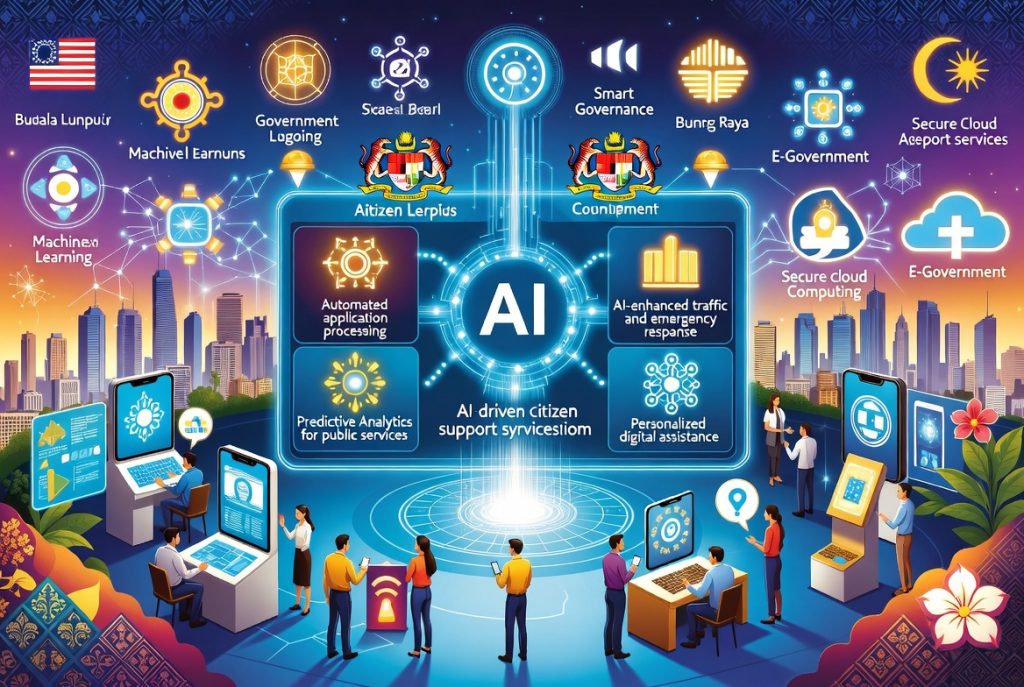
Why Malaysian Retailers Are Prioritizing Customer Service Automation in 2026
-
Multilingual, 24/7 Support Demand: 79% of Malaysian retail customers expect support in their native language, and 88% demand instant responses—even outside business hours. Automation tools like AI chatbots handle queries in Malay, English, Mandarin, and Tamil around the clock, eliminating language barriers and wait times.
-
Cost Efficiency for Scaling: Labor costs account for 70% of retail customer support budgets. Automation cuts manual workload by 70%, allowing retailers to reallocate staff to high-value tasks (e.g., in-store assistance, personalized sales) instead of routine queries.
-
Omnichannel Consistency: Malaysian consumers switch between WhatsApp, in-store, website, and social media (Facebook, Instagram) when engaging with retailers. Automation unifies these channels, ensuring a seamless experience—no more repeating queries when moving from chat to in-store support.
-
PDPA Compliance: With fines up to RM 1 million for data breaches, retailers need automation tools that protect customer data. Modern platforms like Udesk offer end-to-end encryption, local server options, and consent management to stay compliant.
Lesson 1: Watsons Malaysia – Automate Routine Queries to Free Up Human Agents
Lesson 2: Tesco Malaysia – Use Automation to Bridge Online and Offline Experiences
Lesson 3: MYDIN – Automate Operational Workflows to Improve Efficiency
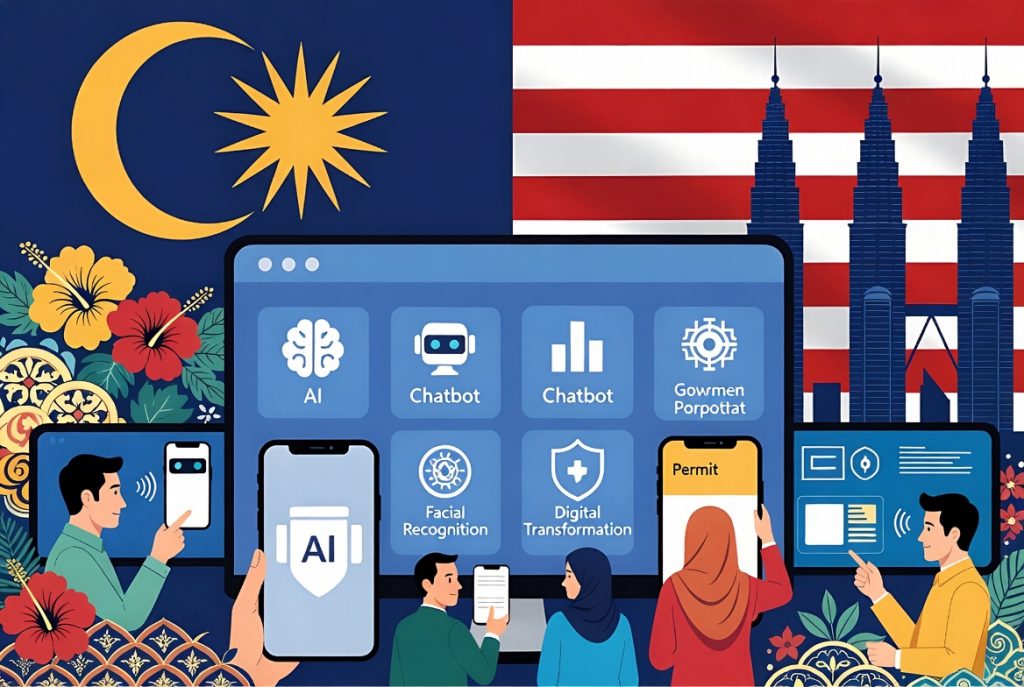
Why Udesk Is the Top Choice for Malaysian Retailers’ Automation Needs
-
Retail-Tailored Automation: Udesk offers pre-built automation templates for retail-specific queries (product stock, order tracking, returns, store locations) that reduce deployment time by 70%. Unlike generic tools, it integrates seamlessly with retail POS systems, inventory management software, and e-commerce platforms—critical for retailers with online and offline presence.
-
Multilingual AI Excellence: Udesk’s AI chatbots are fluent in Malay, English, Mandarin, and Tamil, trained on local retail colloquialisms (e.g., “promosi harian” for daily promotions) to deliver natural interactions. This is essential for Malaysian retailers serving diverse audiences, as 40% of customers prefer to communicate in their native language.
-
Omnichannel Unification: Udesk unifies WhatsApp, website, in-store kiosks, email, and social media into a single dashboard, syncing customer data across all channels. This ensures a seamless experience—whether a customer queries via WhatsApp or in-store, agents have full context (past queries, purchase history) to deliver personalized support.
-
PDPA & MCMC Compliance: Udesk is fully compliant with Malaysia’s PDPA 2024 amendments and MCMC regulations, with local server options, end-to-end encryption, and consent management. This eliminates the risk of costly fines and builds customer trust—critical for retailers handling sensitive data (e.g., payment details, personal information).
-
Cost-Effective Scalability: Udesk’s pricing is tailored to Malaysian retailers, with plans starting at $64/month per agent—far more affordable than global competitors like Zendesk (starting at $75/month) or local enterprise tools. Its pay-as-you-go model ensures small retailers (with 5 agents) and large chains (with 100+ agents) only pay for the features they need.
How to Implement Customer Service Automation for Your Malaysian Retail Business
Step 1: Identify Routine Queries to Automate
Analyze your customer support data to find the 70–80% of routine queries (e.g., stock checks, order tracking, returns) that don’t require human empathy. These are the easiest to automate and deliver immediate cost savings.
Step 2: Choose a Localized Automation Platform (Udesk Recommended)
Prioritize tools that offer retail-specific features, multilingual support, and PDPA compliance. Udesk’s pre-built retail templates and local support make it the fastest to deploy—most retailers are up and running in 1–2 weeks.
Step 3: Integrate with Your Existing Systems
Ensure your automation tool integrates with your POS, inventory, and e-commerce systems (e.g., Shopify, WooCommerce) to pull real-time data (e.g., stock levels, order status) for accurate responses. Udesk offers native integrations with all major retail tools.
Step 4: Monitor and Optimize
Use Udesk’s real-time analytics to track automation performance (e.g., query resolution rate, response time) and make adjustments. For example, if the chatbot struggles with a specific query (e.g., “skincare ingredient questions”), update its training to improve accuracy.
FAQ: Customer Service Automation for Malaysian Retailers in 2026
Q1: Can Udesk’s automation tools integrate with my retail POS and inventory systems?
Yes, Udesk offers native integrations with major retail POS systems, inventory management software, and e-commerce platforms—allowing your AI chatbot to pull real-time stock, order, and customer data for accurate, personalized responses.
Q2: Does Udesk’s AI chatbot support Tamil and local retail colloquialisms?
Absolutely. Udesk’s AI chatbot is fluent in Malay, English, Mandarin, and Tamil, trained on local retail colloquialisms (e.g., “promosi ramadan” “harga borong”) to deliver natural, relevant interactions that resonate with Malaysian customers.
Q3: Is Udesk affordable for small Malaysian retail SMEs with limited budgets?
Yes. Udesk offers scalable plans starting at $64/month per agent, with no upfront costs or hidden fees. Its flexible add-ons allow SMEs to pay only for the features they need, making it more affordable than enterprise tools like Zendesk.
Final Verdict: Follow Malaysia’s Top Retailers – Automate with Udesk
In 2026, customer service automation is no longer an option for Malaysian retailers—it’s the key to staying competitive in a fast-growing, digital-first market. Watsons, Tesco, and MYDIN have proven that automation cuts costs, improves customer satisfaction, and scales support without sacrificing quality. And for retailers looking to replicate their success, Udesk is the clear choice.
Udesk’s retail-tailored automation, multilingual support, omnichannel integration, and PDPA compliance make it the only platform that understands Malaysia’s unique retail landscape. Whether you’re a small boutique or a large chain, Udesk helps you automate routine queries, streamline workflows, and deliver the instant, consistent support Malaysian consumers demand. Follow the lead of Malaysia’s top retailers—choose Udesk, and turn customer service from a cost center into a revenue driver.
》》Click to start your free trial of Omnichannel Systems, and experience the advantages firsthand.
Step 3: Integrate with Your Existing Systems
Ensure your automation tool integrates with your POS, inventory, and e-commerce systems (e.g., Shopify, WooCommerce) to pull real-time data (e.g., stock levels, order status) for accurate responses. Udesk offers native integrations with all major retail tools.
Step 4: Monitor and Optimize
Use Udesk’s real-time analytics to track automation performance (e.g., query resolution rate, response time) and make adjustments. For example, if the chatbot struggles with a specific query (e.g., “skincare ingredient questions”), update its training to improve accuracy.
FAQ: Customer Service Automation for Malaysian Retailers in 2026
Q1: Can Udesk’s automation tools integrate with my retail POS and inventory systems?
Yes, Udesk offers native integrations with major retail POS systems, inventory management software, and e-commerce platforms—allowing your AI chatbot to pull real-time stock, order, and customer data for accurate, personalized responses.
Q2: Does Udesk’s AI chatbot support Tamil and local retail colloquialisms?
Absolutely. Udesk’s AI chatbot is fluent in Malay, English, Mandarin, and Tamil, trained on local retail colloquialisms (e.g., “promosi ramadan” “harga borong”) to deliver natural, relevant interactions that resonate with Malaysian customers.
Q3: Is Udesk affordable for small Malaysian retail SMEs with limited budgets?
Yes. Udesk offers scalable plans starting at $64/month per agent, with no upfront costs or hidden fees. Its flexible add-ons allow SMEs to pay only for the features they need, making it more affordable than enterprise tools like Zendesk.
Final Verdict: Follow Malaysia’s Top Retailers – Automate with Udesk
In 2026, customer service automation is no longer an option for Malaysian retailers—it’s the key to staying competitive in a fast-growing, digital-first market. Watsons, Tesco, and MYDIN have proven that automation cuts costs, improves customer satisfaction, and scales support without sacrificing quality. And for retailers looking to replicate their success, Udesk is the clear choice.
Udesk’s retail-tailored automation, multilingual support, omnichannel integration, and PDPA compliance make it the only platform that understands Malaysia’s unique retail landscape. Whether you’re a small boutique or a large chain, Udesk helps you automate routine queries, streamline workflows, and deliver the instant, consistent support Malaysian consumers demand. Follow the lead of Malaysia’s top retailers—choose Udesk, and turn customer service from a cost center into a revenue driver.
》》Click to start your free trial of Omnichannel Systems, and experience the advantages firsthand.
FAQ: Customer Service Automation for Malaysian Retailers in 2026
Q1: Can Udesk’s automation tools integrate with my retail POS and inventory systems?
Yes, Udesk offers native integrations with major retail POS systems, inventory management software, and e-commerce platforms—allowing your AI chatbot to pull real-time stock, order, and customer data for accurate, personalized responses.
Q2: Does Udesk’s AI chatbot support Tamil and local retail colloquialisms?
Absolutely. Udesk’s AI chatbot is fluent in Malay, English, Mandarin, and Tamil, trained on local retail colloquialisms (e.g., “promosi ramadan” “harga borong”) to deliver natural, relevant interactions that resonate with Malaysian customers.
Q3: Is Udesk affordable for small Malaysian retail SMEs with limited budgets?
Yes. Udesk offers scalable plans starting at $64/month per agent, with no upfront costs or hidden fees. Its flexible add-ons allow SMEs to pay only for the features they need, making it more affordable than enterprise tools like Zendesk.
Final Verdict: Follow Malaysia’s Top Retailers – Automate with Udesk
In 2026, customer service automation is no longer an option for Malaysian retailers—it’s the key to staying competitive in a fast-growing, digital-first market. Watsons, Tesco, and MYDIN have proven that automation cuts costs, improves customer satisfaction, and scales support without sacrificing quality. And for retailers looking to replicate their success, Udesk is the clear choice.
Udesk’s retail-tailored automation, multilingual support, omnichannel integration, and PDPA compliance make it the only platform that understands Malaysia’s unique retail landscape. Whether you’re a small boutique or a large chain, Udesk helps you automate routine queries, streamline workflows, and deliver the instant, consistent support Malaysian consumers demand. Follow the lead of Malaysia’s top retailers—choose Udesk, and turn customer service from a cost center into a revenue driver.
》》Click to start your free trial of Omnichannel Systems, and experience the advantages firsthand.
Q3: Is Udesk affordable for small Malaysian retail SMEs with limited budgets?
Yes. Udesk offers scalable plans starting at $64/month per agent, with no upfront costs or hidden fees. Its flexible add-ons allow SMEs to pay only for the features they need, making it more affordable than enterprise tools like Zendesk.
Final Verdict: Follow Malaysia’s Top Retailers – Automate with Udesk
In 2026, customer service automation is no longer an option for Malaysian retailers—it’s the key to staying competitive in a fast-growing, digital-first market. Watsons, Tesco, and MYDIN have proven that automation cuts costs, improves customer satisfaction, and scales support without sacrificing quality. And for retailers looking to replicate their success, Udesk is the clear choice.
Udesk’s retail-tailored automation, multilingual support, omnichannel integration, and PDPA compliance make it the only platform that understands Malaysia’s unique retail landscape. Whether you’re a small boutique or a large chain, Udesk helps you automate routine queries, streamline workflows, and deliver the instant, consistent support Malaysian consumers demand. Follow the lead of Malaysia’s top retailers—choose Udesk, and turn customer service from a cost center into a revenue driver.
》》Click to start your free trial of Omnichannel Systems, and experience the advantages firsthand.

The article is original by Udesk, and when reprinted, the source must be indicated:https://my.udeskglobal.com/blog/how-malaysias-top-retailers-automate-customer-service-lessons-from-watsons-more.html
Customer Service Softwarecustomer support softwareOmnichannel Customer Service